The fine material (max 6mm) must be added in controlled amounts into the hopper of the pellet press. Due to the pressure of the rollers, it is forced through the holes of the die. The temperature rise caused by the rotating metal parts, together with the pressure and friction, compresses the material into pellets that become strong and solid after cooling. The moisture content is important, between 12-15%, depending on the material. A good pellet is produced from the ideal balance between fineness of the material, moisture content and dosing. We will also give you the necessary advice to achieve an optimal result.
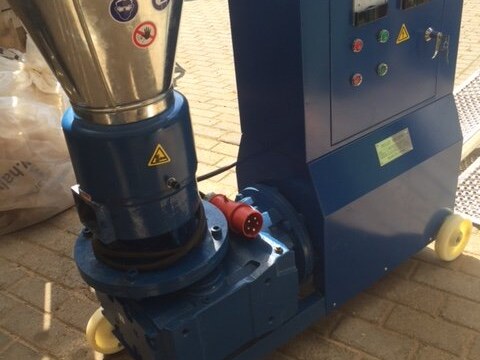
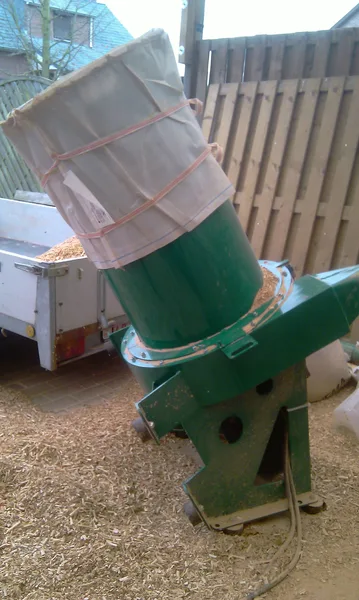
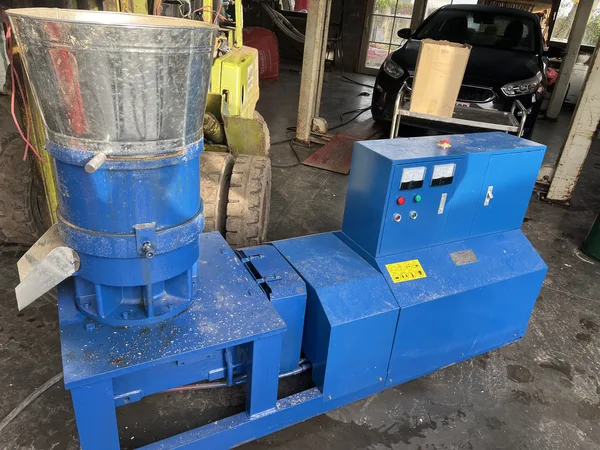
KL-type pellet presses are mainly intended for pressing soft materials, optionally wood pellets (from 7.5 kW). We have one 3 kW model (KL120XL) on 220V for small projects and tests, other machines are always on 380V (three-phase). The KL presses have a rotating die, a high-speed motor, and the pressure on the rollers must be set manually depending on the situation.
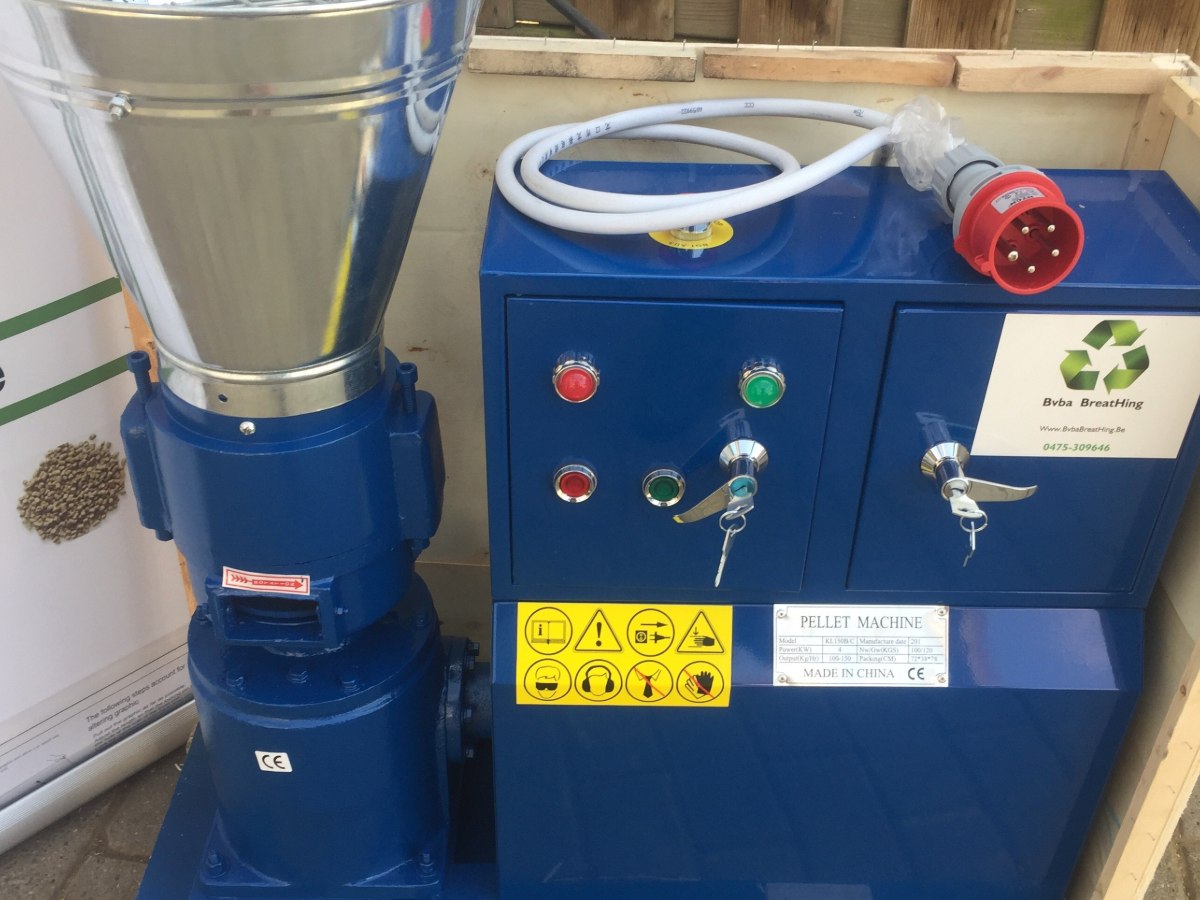
MKL-type pellet presses are the improved version of the KL. These machines are specially developed for wood pellets and other heavier materials. They have a fixed die, a low-speed motor, an adapted gearbox, and the sturdy shaft with heavy rollers rotates around a central axis to press the material through the die. They deliver higher output, are more robustly built and make less noise. Available from 7.5 kW - 380 V with two rollers, the 11 kW version has three rollers.
Sawdust - Willow wood - Wood shavings - Wood chips - Pruning waste - MDF dust - Straw - Hay - Maize - Grains - Rice flour - Clover - Miscanthus - Reed - Flax - Alfalfa - Washed crops - Garden waste - Chicken manure - Cow manure - Alpaca manure - Guano - Fertilizers - Animal feed - Fish feed - Dog kibble - Cat kibble - Dried vegetables - Insect meal - Herbs - Lavender - Rosemary - Hops - Nettles - Dried flowers - Coconut fiber - Palm leaves - Flax shives - Sheep wool - Coffee husk - Rice husk - Paper - Cardboard - PVC - Mineral wool - Bread - Fruit & vegetable waste - Fruit pits - Apple peels - Nutshells - Substrate - Stable bedding - Ground cover - Mushroom substrate - Dried tomato plants - Seaweed - Algae
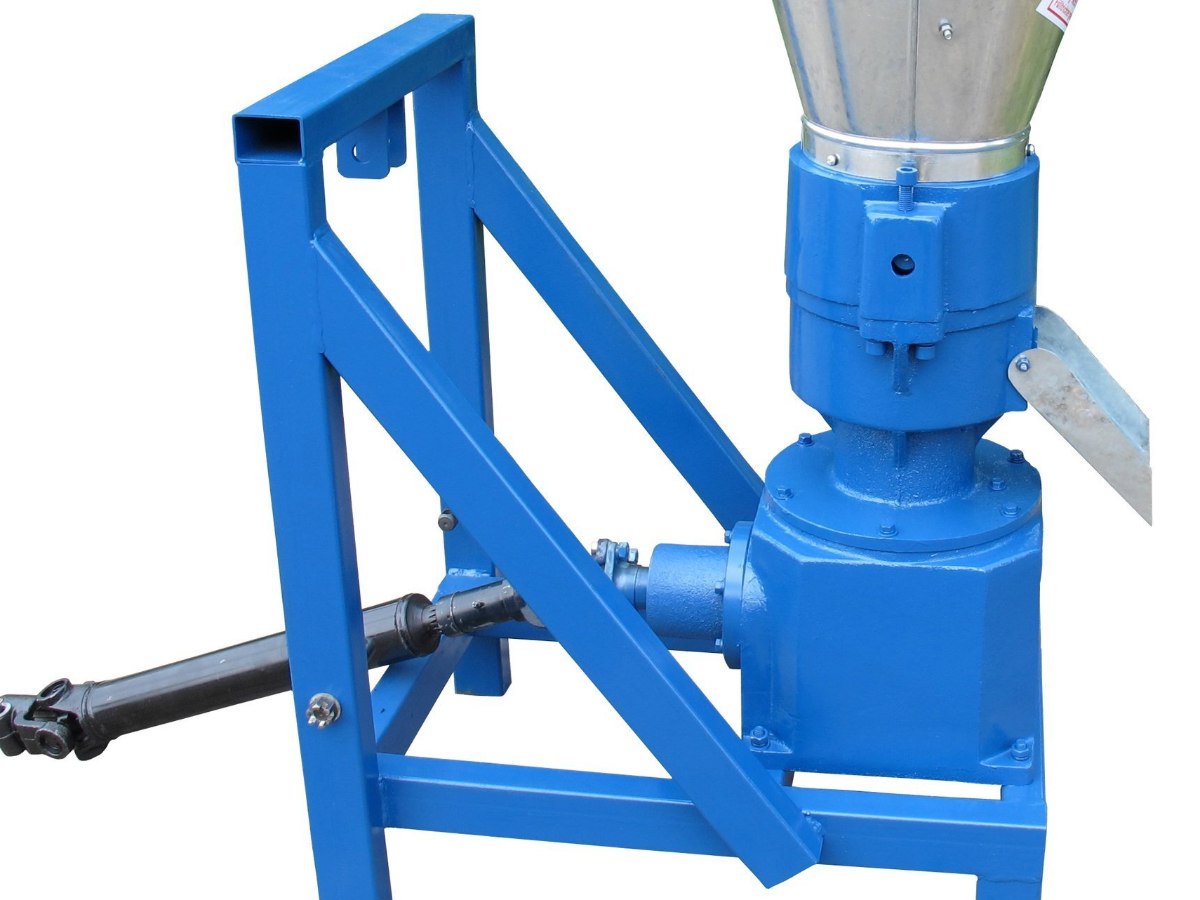
With a pellet press driven by a tractor power take-off (PTO), you can also press pellets from various materials. The two solid rollers press the raw material through the die (diameter 20 or 26 cm). The material must meet the basic requirements: it must be finely ground and have a moisture content of 12-15%.
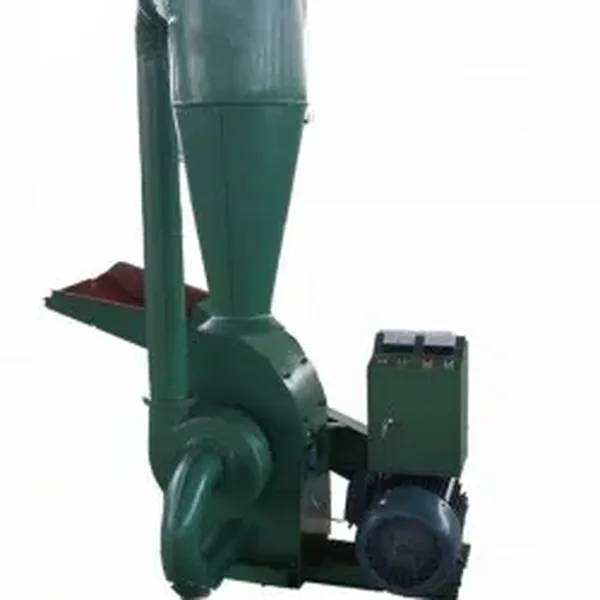
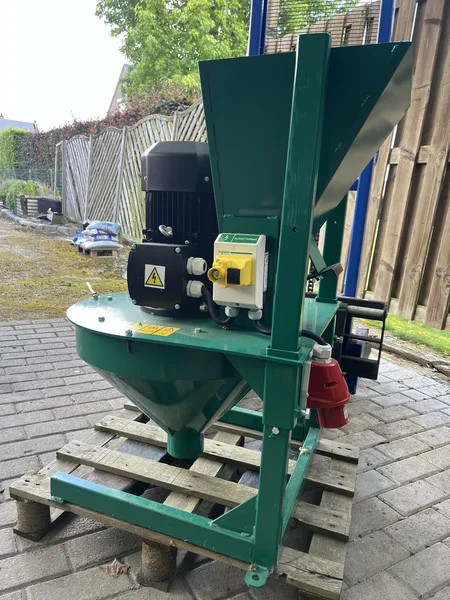
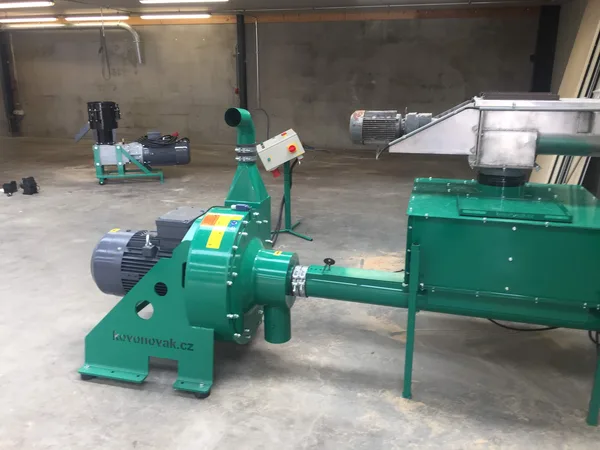
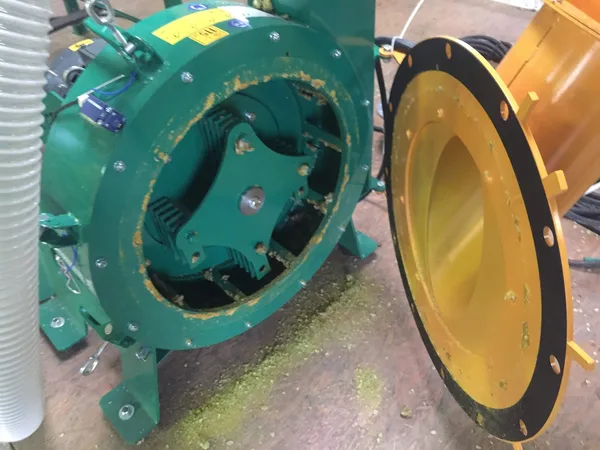
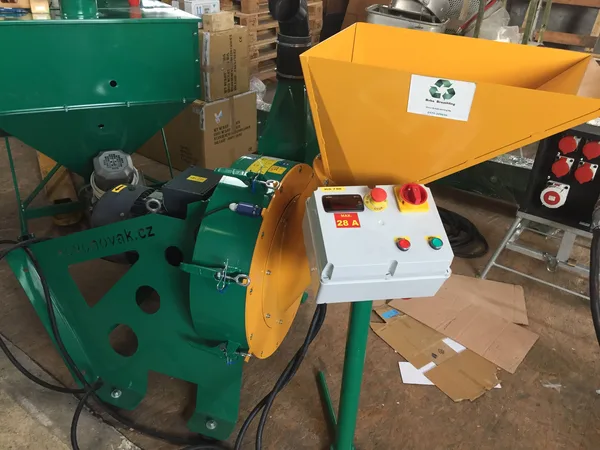
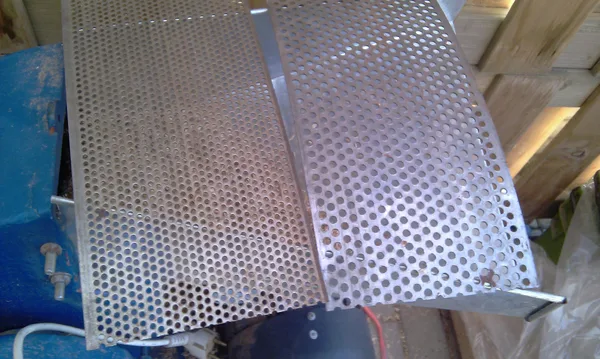
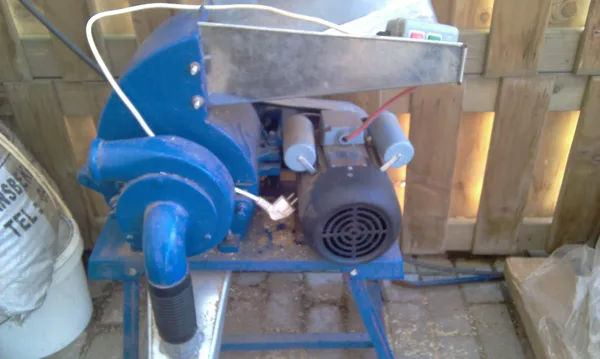
To make pellets, the material must be finely ground (6 mm). For this we use a hammer mill, and the working principle is simple: material enters a grinding chamber where a rotor shaft spins the hammers at high speed. The hammers repeatedly strike the material and break it through impact. Particles small enough to pass through the perforated screen leave the mill, while larger pieces are recirculated and struck again until they reach the desired target size. We have various hammer mills from 2.2 kW to 50 kW, and seven of different diameters are available. Fibrous material (wool, textile, hemp, flax, ...) is not suitable for a hammer mill and requires a special shredder to cut the fiber.
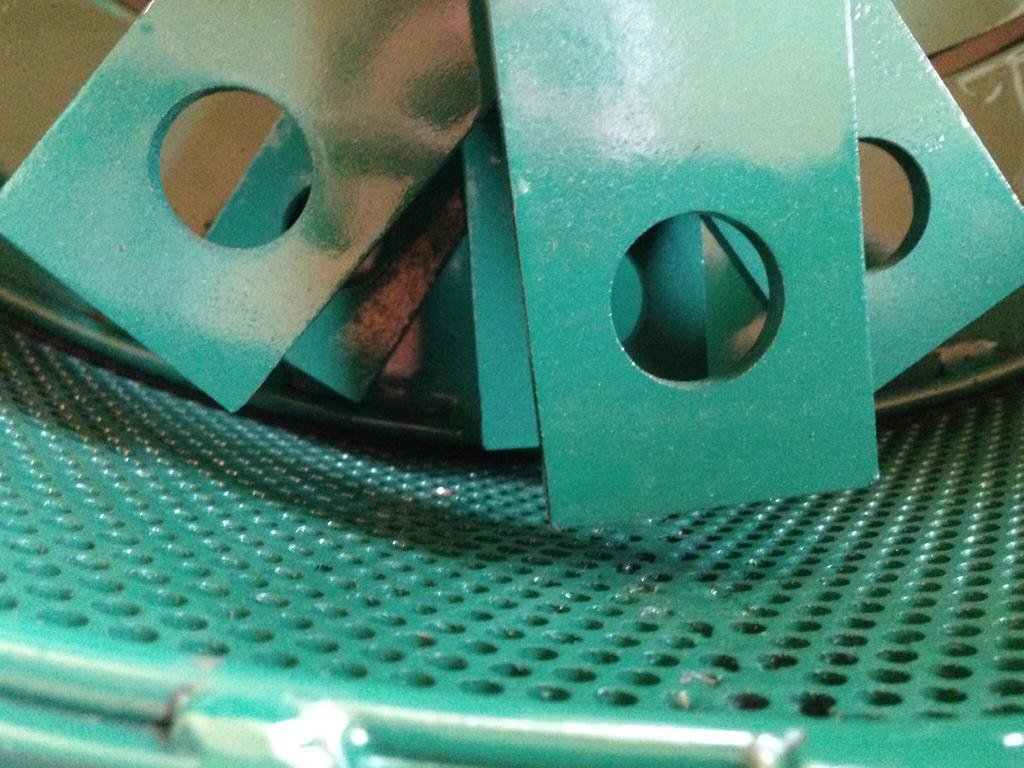
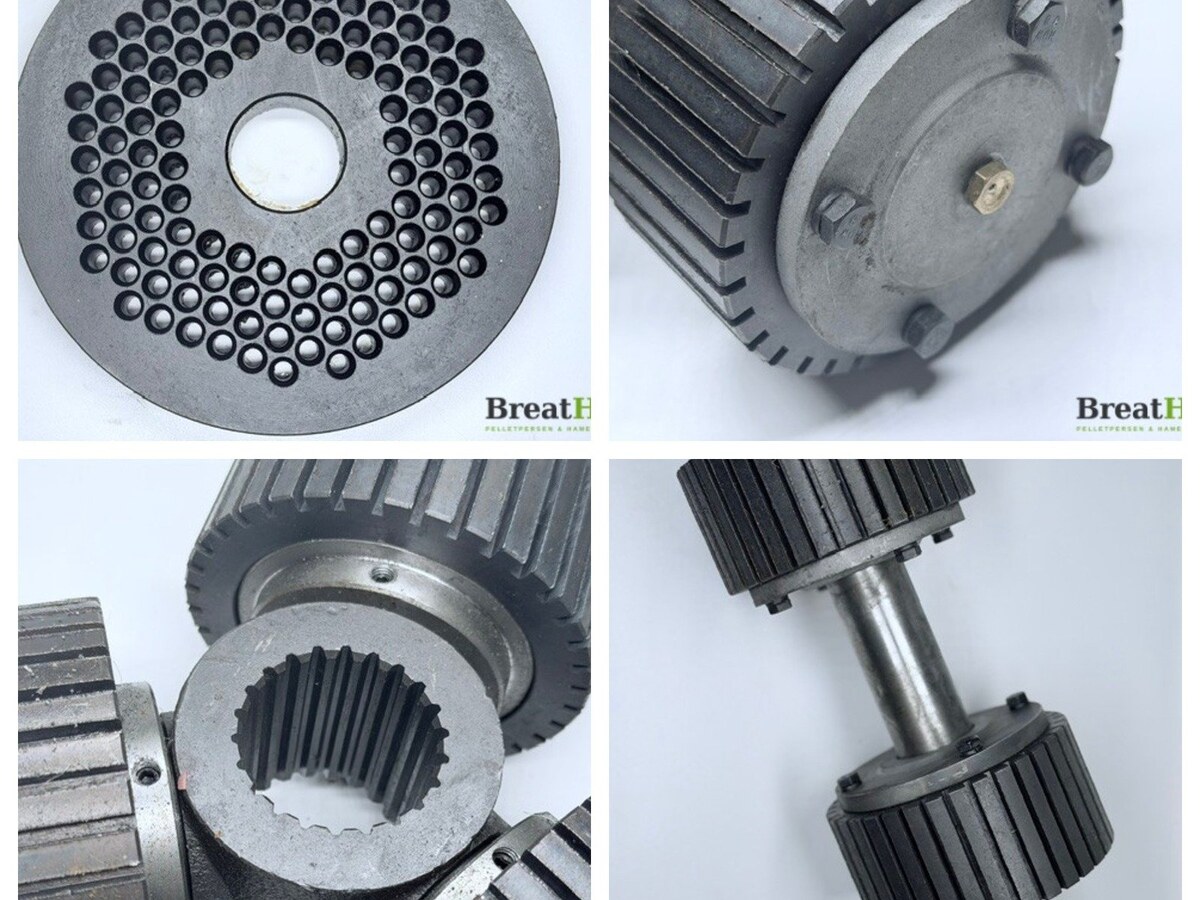
BreatHing has a wide range of parts for the various machines, such as dies of different diameters, rollers, shafts, cover plates, hammer sets, screens, ... Contact us without obligation.
For additional information or a no-obligation quote.